
Taxila:Dharmarajika stupa-1
这座佛塔由孔雀王朝的皇帝阿育王于公元前 3 世纪建造据信,这座佛塔是在公元 2 世纪的贵霜时期重建的,目的是存放佛陀的舍利,僧眾們就是可以围繞著它來經行及禪修
The stupa was built by Emperor Ashoka of the Maurya dynasty in the 3rd century BCE. It is believed that the stupa was rebuilt during the Kushan period in the 2nd century CE with the purpose of housing the relics of the Buddha. Monks can circumambulate it for walking meditation and practice.

Taxila:Dharmarajika stupa-2
这座佛塔由孔雀王朝的皇帝阿育王于公元前 3 世纪建造据信,这座佛塔是在公元 2 世纪的贵霜时期重建的,目的是存放佛陀的舍利,僧眾們就是可以围繞著它來經行及禪修
The stupa was built by Emperor Ashoka of the Maurya dynasty in the 3rd century BCE. It is believed that the stupa was rebuilt during the Kushan period in the 2nd century CE with the purpose of housing the relics of the Buddha. Monks can circumambulate it for walking meditation and practice.

Taxila:Dharmarajika stupa-3
这座佛塔由孔雀王朝的皇帝阿育王于公元前 3 世纪建造据信,这座佛塔是在公元 2 世纪的贵霜时期重建的,目的是存放佛陀的舍利,舍利子就在博物馆-与舍利子合影
The stupa was built by Emperor Ashoka of the Maurya dynasty in the 3rd century BCE. It is believed that the stupa was rebuilt during the Kushan period in the 2nd century CE with the purpose of housing the relics of the Buddha.It is exhibited in museum-photograhed with the relic

Taxila:Dharmarajika stupa
导游Ali说他看到记载玄奘曾住此房间,经查证后也可能是法显,无论如何,好好顶礼千年前的大德就是了。这里是文化学术中心,大小乘论师都曾集中在此。那我就在“现代犍陀罗”的雪隆,好好弘扬佛法。
The tour guide Ali said that he saw records indicating that Xuanzang once stayed in this room, and after further investigation, it could also have been Faxian. In any case, it’s appropriate to pay respects to the great masters of a thousand years ago. This place was a center for cultural and academic exchange, where both Mahayana and Theravada scholars gathered. So, here I am in the “modern Gandhara” of Kl Selangor, dedicated to spreading the teachings of the Buddha.


Taxila: Dharmarajika &Jaulian monastery
佛塔和佛堂底部的铭文刻有捐赠者的姓名和头衔。它们说明了赞助对于佛教在该地区传播的重要性,而捐赠者的不同阶层则表明该宗教对社会各阶层具有广泛的吸引力和影响力。除了商人阶层的各种成员外,佛教僧侣也经常被记为捐赠者,这表明他们积累了个人财富,并且拥有比以前认为的更大的自主权。
Inscriptions located at the bottom of some of the stupas and chapels feature the names and titles of their donors. They illustrate the importance of patronage to the spread of Buddhism in the region, and the many different classes of donors show the broad appeal and impact the religion had to many segments of society. In addition to a variety of members of the merchant class, Buddhist monks are also repeatedly credited as donors, which suggests that they accumulated personal wealth and possessed a greater degree of autonomy than previously thought.

Taxila: Bhamala monastery
蓋於二世紀的Bhamala monastery 的主佛塔已严重受损…..庭院周围还有 59 座小佛塔,描绘了佛陀生平的场景。寺院位于三个佛塔庭院的东侧,内有独立的僧侣宿舍,围绕着一个大庭院。庭院东侧有几座与僧侣生活相关的建筑,包括集会厅、厨房、储藏室和食堂,构成了整个建筑群。大眾攝於佛涅槃像前
Built at 2BC, Main stupa of Bhamala manastery has been badly damaged…… An additional fifty-nine chapels are located around the courts and feature scenes from the Buddha’s life. Located to the East of the three stupa courts, the monastery contained individual monk quarters surrounding a large courtyard. To the East of the courtyard, several structures related to monastic life; including an assembly hall, kitchen, store room and refectory finish out the complex. Group photo before of Buddha in Parinirvana

Taxila: Bhamala monastery
大乘佛相 Mahayanist Buddha Statue
《說一切有部為主的論書與論師之研究》:「呾叉始羅國(Takṣaśīlā)——這一帶地方的本生遺跡,就不下二十處。西元五世紀初,晉法顯所見的,已大致相同了」
Takṣaśīlā (Taxila) — In this area, there are no fewer than twenty Jātaka (birth story) relics. By the early 5th century CE, what the Jin Dynasty monk Faxian saw was already largely the same.

Taxila: Bhamala monastery
佛陀的脚印。
这可能就说明了拜佛像、佛塔的大乘及顶礼脚印的小乘都带来了影响。
The Buddha’s footprints. This might suggest that both Mahayana, with its practice of venerating Buddha statues and stupas, and Theravada, with its reverence for the Buddha’s footprints, have left their influence.

Taxila: Bhamala monastery
让“大型”涅磐相得以还原的“迷你”相
The “miniature” image that allows the “large-scale” depiction of the Nirvana to be restored.

Taxila: Bhamala monastery
每个隔间都有不同的佛像
Each compartment contains a different Buddha statue.


Taxila: Jaulian monastery
我们在考古场地的顶层即席禅修 ,把回教开明派的 Sial Ismaili导游也拉来,他念他的阿拉,我们念我们的佛号
We held an impromptu meditation session on the top level of the archaeological site and brought the tour guide, who is the progressive Sial Ismaili along. He chanted his prayers to Allah while we recited our Buddha mantras.


Taxila:Dharmarajika stupa
导游Ali说他看到记载玄奘曾住此房间,经查证后也可能是法显,无论如何,好好顶礼千年前的大德就是了。这里是文化学术中心,大小乘论师都曾集中在此。那我就在“现代犍陀罗”的雪隆,好好弘扬佛法。
The tour guide Ali said that he saw records indicating that Xuanzang once stayed in this room, and after further investigation, it could also have been Faxian. In any case, it’s appropriate to pay respects to the great masters of a thousand years ago. This place was a center for cultural and academic exchange, where both Mahayana and Theravada scholars gathered. So, here I am in the “modern Gandhara” of Kl Selangor, dedicated to spreading the teachings of the Buddha.

Taxila museum ‘s collection-2
博物馆馆藏
希腊俊美造型的佛像, 你还是喜欢中国的,因为你是华人?
A Buddha statue with the handsome, classical features of Greek artistry.Do you still prefer Chinese Style since you are Chinese?

Taxila museum ‘s collection-3
博物馆馆藏
佛陀打坐相,伺者在身边,猜是谁?
A depiction of the Buddha in a meditation posture, with attendants by his side, guess who is it?

Taxila museum ‘s collection
博物馆馆藏
弥勒相 Maitreya Buddha
这尊没胡须的,你还比较喜欢有的?
Do you prefer this beardless Buddha statue, or do you like those with beards more?

Taxila museum ‘s collection-5
博物馆馆藏
站佛,我们好像同高。。哈!
A standing Buddha; it feels like we’re about the same height… Ha!
Taxila: Jaulian monastery
Healing Buddha, 把手指放进腹部的洞,可许愿健康,他和药师佛有关吧!这里本来都是大乘佛教的流行地带
The Healing Buddha, with fingers placed in the hole in his abdomen, allows for health wishes. He is related to the Medicine Buddha, right? This area has traditionally been a stronghold of Mahayana Buddhism.


犍陀羅朝聖之旅:
Taxila: Jaulian monastery
这是流行已久的凿石技术,导游说我们的佛像可能就是这样凿出来的。
This is a long-established stone carving technique. The tour guide mentioned that our Buddha statues might have been carved using this method.

和导游Ali 特别投缘,我两分别是佛教及回教的开明派,最后一天换上巴基斯坦装入乡随俗,参访重中之重的--Taxila
I felt a special connection with the tour guide Ali. We both represent liberal perspectives in Buddhism and Islam. On the last day, I donned traditional Pakistani attire to visit the key site of Taxila.

犍陀罗朝圣之旅
Taxila:The Takht Bahi Monastery & Early Tantric Buddhism-The mountains are high, and the emperor is far away.
早期密續-山高皇帝远,哈!
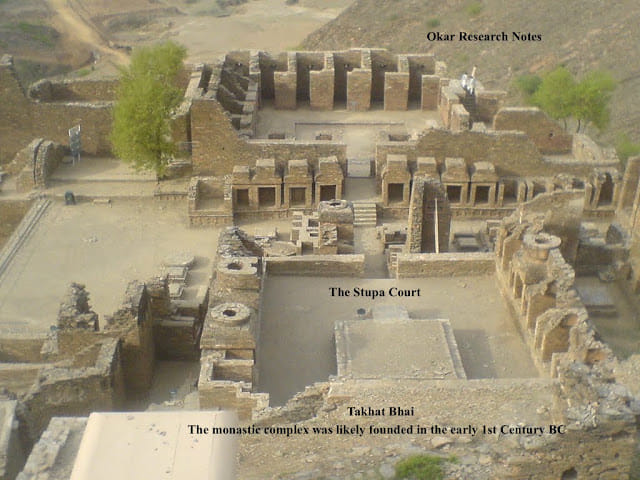
就其环境、建筑形式、设计和施工技术而言,是公元 1 世纪至 7 世纪期间犍陀罗地区寺院和城市社区发展的最具代表性的例子……由于塔赫特巴希佛教遗址位于高山上,因此躲过了连续的入侵,保存得异常完好。
In their setting, architectural form, design and construction techniques are most characteristic examples of the development of monastic and urban communities in the Gandharan region between the 1st to 7th century AD…..Due to the location of on the Buddhist Ruins of Takht-i-Bahi on high hills, it escaped successive invasions and is exceptionally well preserved.”
Taxila:The Takht Bahi Monastery & Early Tantric Buddhism早期密續-1
通往修密的黑关房
The Black Meditative room leading to the secretive practices.
犍陀罗朝圣之旅:
Taxila:The Takht Bahi Monastery & Early Tantric Buddhism早期密續-2
通往修密的黑关房
The Black Meditative room leading to the secretive practices.

Taxila:The Takht Bahi Monastery & Early Tantric Buddhism早期密續
导游 Maaz Ali 为我们讲解寺庙厨房、莲花池、饭堂等的运用。
Tour guide Maaz Ali explained to us the functions of the temple kitchen, lotus pond, dining hall, and other facilities.

Taxila:The Takht Bahi Monastery & Early Tantric Buddhism早期密續
宏伟的建筑 !图中是 Shiming
The magnificent architecture! The image shows Shiming.
Taxila:The Takht Bahi Monastery & Early Tantric Buddhism早期密續
入黑关房打坐半分钟,真的黑到伸手不见五指
Sitting in the Black meditative room for half a minute, it was so dark that I couldn’t see my hand in front of my face.

Taxila:The Takht Bahi Monastery & Early Tantric Buddhism早期密續
考古学家Muhammad Awais送纪念品给我
The archaeologist Muhammad Awais gave me a souvenir.
Taxila:The Takht Bahi Monastery & Early Tantric Buddhism早期密續
黑关房中,你看到什么?
What do you see in the dark meditative room?

#犍陀罗朝圣之旅
Taxila:The Takht Bahi Monastery & Early Tantric Buddhism早期密續
全体照-你猜有用 drone 吗?
Group photo-guess if drone is used?

Taxila:The Takht Bahi Monastery & Early Tantric Buddhism早期密續
全体照-你猜有用 drone 吗?
Group photo-guess if drone is used?

Taxila:The Takht Bahi Monastery & Early Tantric Buddhism早期密續
第二位和我谈得非常投缘的回教图,考古负责人Maaz Ali ,我们因僧团生活而谈得投缘,奥妙的缘分呀!
The second Muslim figure I connected with deeply was Maaz Ali, the archaeological supervisor. Our conversations about monastic life created a special bond—such a mysterious connection!

#犍陀罗朝圣之旅:
Swat
《大唐西域記》卷三中記載:「他們十分尊崇佛法,篤信大乘佛教。蘇婆伐窣堵河的兩岸曾經有一千四百座寺院,但大多數現在已經荒廢;過去曾有一萬八千名僧人,如今人數逐漸減少。他們都修習大乘佛教,以靜修和禪定為主要修行。雖然擅長誦讀經文,但對其中深奧的義理未能深入理解。他們的戒律清淨,尤其擅長咒術。當地還有五個傳承戒律和教法的學派。」
“In Volume 3 of the Great Tang Records on the Western Regions (T.51, 882c), it says: ‘They revere and uphold the Buddha’s teachings and have deep faith in the Mahāyāna. Along both banks of the Subhavastu River, there used to be 1,400 monasteries, many of which are now in ruins; in the past, there were 18,000 monks, but their numbers have gradually decreased. They all practice Mahāyāna, engaging in meditation as their main practice. They are proficient in reciting the texts, though not fully understanding their profound meanings. Their conduct is pure, and they are especially skilled in mantra. There are five schools that uphold and transmit the precepts and teachings.'”

Swat Valley museum博物馆
星期五也特地为我们开工的解说员,阿拉和工作兼顾
The guide who specifically worked for us on a Friday.Balancing between Allah and the job.

Swat -the end
蘇婆(Swat)河流域的佛法,在佛法傾向大乘的機運中,北印度罽賓中心的佛教,有了卓越的貢獻。特別是對大乘佛法的傳入東方,有著特殊的關係。
The Dharma in the Swat River region made significant contributions to Buddhism in the Copen region of North India, particularly during the period when Buddhism leaned toward Mahāyāna teachings. It had a special connection to the spread of Mahāyāna Buddhism to the East.